
Demo Legacy Of Dead in Austria
Use the free test mode, get to know the features and play in Austria only 18+ - with clear limits.

Legacy Of Dead Slot Demo in Austria
Imagine you want to quickly play the slot after work, without risking money right away. That's exactly what the game mode with virtual credit is for: you see the layout, feel the pace, and check if the operation suits you. In 2026, this is particularly helpful because many games work with effects and fast processes - those who are not prepared here click faster than expected.
Start with a small ritual: open the rules, quickly review the symbol overview, then spin. Pay attention to two things in particular: How clearly do you recognize the bet and the result, and how easily do you find your way back to the info display if something unusual happens? It is common for players only to realize after ten minutes that they don't even know which setting is active.
For Austria, the following applies: Only play if you are 18+, and choose providers that take limits, breaks, and account protection seriously. This way it remains a test - and does not turn into a spontaneous long session.
All promotional incentive structure is clearly stated in writing and/or via electronic means in an easily understood manner. All codes are accompanied by an explanation of what the code is for, who is eligible to use the code, and how it should be used. As such, players are less likely to be confused about what is required of them in order to receive a reward and how the reward will be applied after receiving it. The promotional incentives provided to participants provide them with time to become familiar with the gaming system's mechanics, their interface, and progress, before deciding how deeply they wish to become involved with this platform. Therefore, players are encouraged to participate in an informed manner, rather than being pressured or tempted to act quickly.
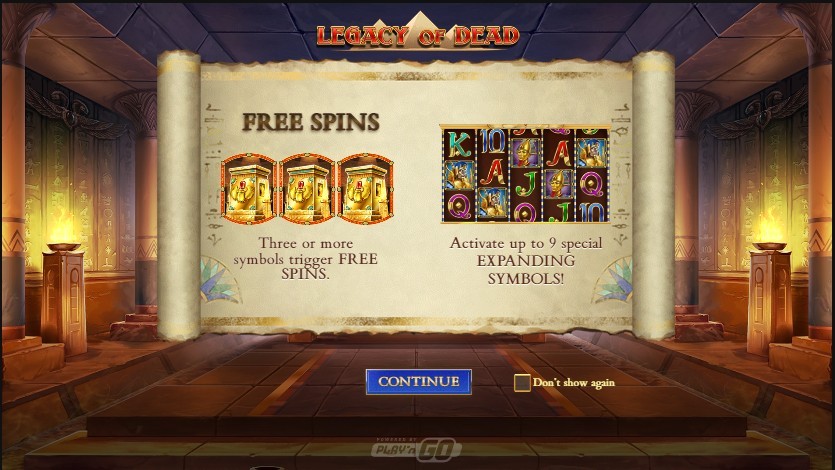
Legacy Of Dead Demo Slot For a Quick Test
Suppose you only have a few minutes but still want to test intelligently. Then a structured process is worthwhile: first a short series at normal pace, then a single adjustment, then another short series. Many make the mistake of changing pace, stake, and auto-functions simultaneously. Then it's no longer clear what really changed the experience.
In trial mode, pay attention to your own reactions. Do you get restless when it stays quiet for a few rounds? Do you start looking at your phone casually and still continue playing? These are the moments when breaks help. Especially in 2026, where mobile usage is high, the environment often decides more than the game itself.
If you want to play with real money later, the most important skill is not a trick - but a clean stop. Practice it during the test: fixed number of rounds, short break, then a new decision.
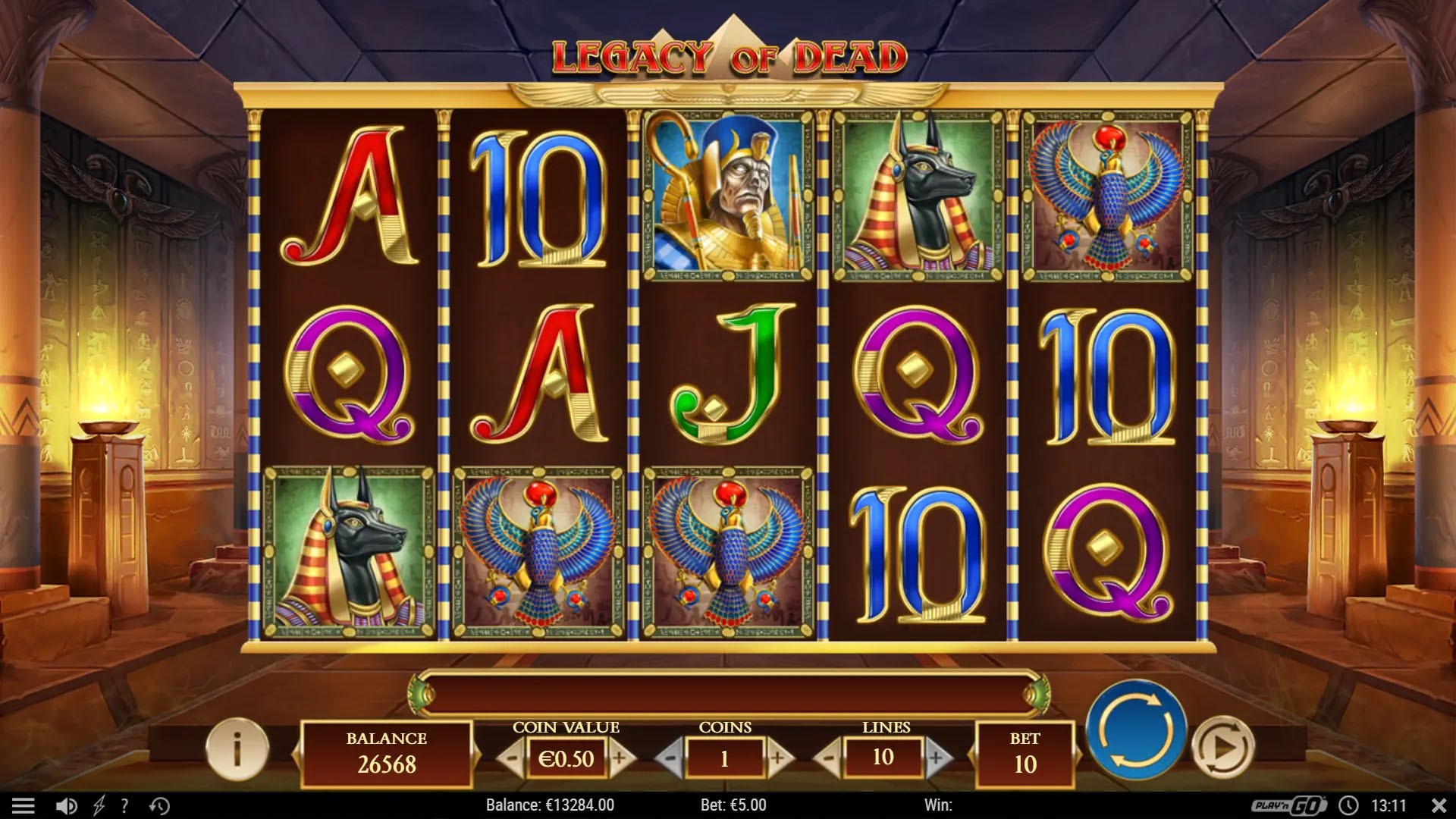
Legacy Of Dead Bonus Buy Demo And Feature Check
Imagine you want to know what special features feel like without having to wait long for a trigger. Some platforms offer a kind of feature buy or quick access to bonus sequences for this purpose. Only use such options if you understand the rules, and stick to small stakes. Otherwise, a quick bonus can create the impression that everything always runs like this - which is rarely the case in practice.
In test mode, it's about understanding: Which symbols are central, how are winnings displayed, and how does the mood change when the action intensifies? In 2026, it's normal for effects to work with pace. All the more important is your countermeasure: stay slow, stop briefly after the feature, then continue.
Legacy Of Dead Demo Play With a Plan
If you want to get a good feel, do it like a test drive. Imagine you first test city traffic, then a short country road - and then go back to the parking lot. Transferred, this means: 15 to 25 minutes, two short blocks, with a break in between. In the first block, you check the interface and stake control. In the second block, you see if you remain calm even at a faster pace.
Many players benefit from a simple note in their head: What is my stop signal today? For example, fatigue, anger, or the impulse to increase the stake. As soon as the signal comes, the session ends. This seems strict, but it is the only method that works reliably in stressful moments.
Legacy Of The Dead Demo And Name Traps
Suppose you are looking for the game and come across similar titles or spellings. Then it makes sense to briefly check whether you are really opening the version you wanted to test. In practice, a look at the artwork, the symbol design and the rules helps - not large advertising texts.
If you are unsure, don't start with real money immediately. Use the trial mode, compare the info pages, and only then decide. This way you avoid confusion that will only be annoying later with settings, limits or payouts.
H4 Short Plan for a 20-Minute Session
Imagine you just want to check today if the pace suits you. Block 1: 10 minutes at normal pace, no automatic play, stake unchanged. Then a break, stand up briefly, get water. Block 2: 10 minutes, adjust the stake minimally once, then play steadily again. In the end, close the game consciously - not just when you lose interest.
H4 When Fun Turns Into Pressure
Suppose you notice that you are no longer playing out of curiosity, but because you want to experience something "quickly." Then a clear break helps: end the session, take at least a 30-minute break, and only decide again later. If this happens more often, timeout or self-exclusion options are useful because they take the decision out of your hands at that moment.
Account, Limits and Age Check in Austria
Imagine you want to start a real session after the test, but without chaos in your account. The clean way is: registration, security check, set limits, then deposit. Many reverse this order and later get annoyed when confirmations are suddenly missing or a limit has to be searched for.
In Austria, you should be particularly consistent with 18+ and secure your devices. This sounds trivial, but in 2026 it is the most common reason why people avoid stress: strong passwords, no auto-logins on unfamiliar devices, and logging out after each session.
Registration and Account Security
Imagine you are playing on a tablet that others in the household also use. Then a saved password is enough, and suddenly access is no longer private. Therefore, use a strong password, activate additional login steps if available, and log out after the session. This way you protect not only your money but also your limits.
If a provider requires identity verification, do it early. Later, when you are tired, small input errors quickly turn into long support chats.
Deposit With Budget and Calm
Suppose you had a good test session and are in the mood to deposit immediately. That's exactly when impulse decisions happen. Set the budget before you open the payment screen, and consider the amount as an entertainment cost - regardless of the outcome.
Choose a method that suits your control. Some prefer something fast, others something that consciously has one more step. What is important is not speed, but that you feel calm doing it.
Withdrawals and Traceability
Imagine you want to withdraw at the end of a session but are unsure what information is needed. Then a fixed routine helps: end the session, check account details, initiate withdrawal, then no more clicking around. Don't change methods without reason, as this often generates additional checks.
If something is wrong, gather facts: time, device, exactly what happened. This allows support to help faster, and you avoid frantic trying.





Payments, Support And Practical Checks
Suppose you just want to know what's important in everyday life without getting lost in details. Then think in checkpoints: How do I deposit, how do I stop, how do I get help, and how do I stick to my plan? In 2026, this is the basis of every good player experience, no matter how modern the graphics may seem.
The table below is intended as a quick overview - not as a promise. Conditions can vary depending on the provider, which is why your own routine is paramount: stay calm, check, then act.
Payment Methods And Confirmation Steps
Imagine you're on a train, the network is fluctuating, and you still want to quickly initiate a payment. That's the wrong moment. It's better to make payment transactions in a stable environment, with enough battery and time to check. An additional confirmation step isn't annoying; it's a protection.
Make sure you see your budget framework before making a payment. If you don't find it immediately, that's already a signal to slow down.
Area | What You Check | Why It Helps |
Deposit | Amount, Confirmation, Daily Limit | Prevents spontaneous top-ups |
Withdrawal | Account Details, Method, Session End | Reduces errors due to haste |
Limits | Time, Loss, Deposit Limit | Makes stopping easier than continuing |
Support | Briefly describe the problem, note the time | Saves follow-up questions and hassle |
Device Protection | Lock, Logout, no unauthorized access | Supports 18+ and account security |
Support Inquiries Without Back and Forth
Suppose something isn't loading or a setting isn't saving. Write to support briefly and specifically: Device, browser or app, time, and what steps you've already tried. This will get you further faster than long explanations.
Avoid changing five things at once when you're annoyed. First, pause, then test systematically, then contact support - that way, you stay in control.
Limits, Timeouts, and Self-Exclusion
Imagine you realize in the middle of a session that you want to increase your bet, even though you hadn't planned to. This is precisely where limits come into play. Set deposit and time limits before you play, and use timeouts if you realize you can't stay calm today.
Self-exclusion is not a drama. It's a tool that gives you distance when patterns repeat themselves.
Mobile Gameplay and Technology 2026
Suppose you're playing on your phone, notifications pop up, and suddenly half your attention is gone. Then even a simple slot becomes exhausting. In 2026, technology is not just about comfort, but part of responsible gaming: a stable connection, a quiet environment, and a pace that you control.
Briefly test on mobile and desktop where you can stop better. Some play too long on PC, others too impulsively on mobile. There's no right or wrong - just your own pattern.
Browser, App, and Session Control
Imagine you want to start quickly and finish just as quickly. Some prefer browsers because logging out and closing are intuitive. Others like apps because they feel stable. The important thing is: you need to know where limits and pause functions are, otherwise you'll only find them when things are already going downhill.
Do a mini-test: start, play for five minutes, end cleanly, log in again. If that works smoothly, the foundation is good.
Performance, Data, and Battery
Suppose the image stutters and you press twice because you think it's not responding. That creates stress. Reduce background apps, use a stable connection, and play for shorter periods if battery or network is low.
If you notice that technology irritates you, end the session. Irritation is a bad companion for decisions involving money.
Autoplay, Pace, and Focus
Imagine you activate auto-play and look away for a moment - and suddenly many rounds are over. Only use autoplay with a clear number of rounds and a stop signal. If you're not really paying attention during it, it's better to play manually or pause entirely.
In 2026, more than ever: less pace often means more control. Those who play slower recognize more quickly when a break is needed.
Data Protection and Device Hygiene
Suppose you use a shared device or leave the browser open. Then account data quickly ceases to be private. Use a device lock, log out after the session, and do not save passwords in open notes.
This also supports the 18+ rule. The less random access is possible, the easier it is to stay within a safe framework.
Responsible Gaming in Austria
Imagine you start relaxed, but after a while, fun turns into an internal pressure to achieve 'something more'. That's the moment when rules are more important than feelings. Set a budget and timeframe before the session, plan breaks, and stop when your stop signal comes - no matter how the round looks at that moment.
In Austria, 18+ applies, along with the expectation to play within the applicable rules. If you notice that control is difficult, timeouts, longer breaks, or self-exclusion can help. And if you are concerned, it makes sense to speak early with a trusted person or a specialized agency.
Conclusion for 2026: How to Use Test Mode
Suppose you want to make a decision without stressing yourself. Use test play with a plan: short blocks, one change per block, clear breaks. Read rules when something happens - not just at the end. And stick to your limits, even if it seems exciting right now.
This is how the slot becomes what it should be: entertainment that you control. In Austria, you always play 18+ and with a setup that makes stopping easier than continuing.
FAQ
How do I test the slot without risking money?
Start in play mode with virtual credit and set a fixed number of rounds or a timer in advance. Imagine it's a test drive: you check operation, pace, and overview, not the outcome. Play two short blocks and take a break in between so you notice if you are still making conscious decisions. If you become restless or want to increase your bet, end the session and come back later.
Which rules should I read before the first real money session?
Open the info page and first look at the symbol overview, win display, and trigger conditions for special processes. Suppose something happens suddenly - then you want to know if it's automatic or if you have to choose. Read briefly before playing and again after an observation in the test, because the details will stick better then. If something is unclear, that's a sign for a slower pace, not for more risk.
How do I set limits that I really adhere to?
Choose a budget per session that does not affect your everyday expenses, and define a clear time limit. Imagine you are buying a ticket: the amount is the price of entertainment, not a tool to change your mood. Keep the rules simple - one budget, one time, one stop signal. If you often negotiate, make the limits stricter or use timeouts.
What do I do if I notice I want to chase losses?
End the session immediately and take at least half an hour's distance. Suppose you are irritated or want to 'get it back' - that is a bad state for decisions. Use a pause function or a timeout so you don't get back in the moment. If this pattern occurs more frequently, self-exclusion can be useful because it takes pressure out of the situation.
Is playing on a mobile phone safer or on a PC?
That depends on where you have more control. Imagine notifications bother you on your phone, while on a PC the session gets longer because it's comfortable. Test both variants in short blocks and choose the environment where you can stop more easily. Use device lock, logout, and a stable connection so that technology doesn't lead to stress.
When should I contact support?
Contact support if settings don't save, payments are stuck, or the game is technically failing. Briefly write: device, browser or app, time, and exactly what happened. Suppose you change ten things in anger - then it becomes difficult to find the cause. First pause, then check systematically, then support - this keeps the process calm and traceable.