

Legacy Of Dead RTP In Austria
Briefly explained: How to classify the RTP value, understand features, and play in Austria with limits, breaks, and 18+ rules.
Legacy Of Dead Slot RTP
The Return-to-Player value is a guide, not a promise. It describes how a slot can statistically “return” over many game rounds - but your individual session can deviate significantly from this. That's why it makes sense to view the RTP value as background information and to maintain control over things you can truly manage: stake, pace, time, and stops.
Imagine you start in the evening with a small budget, get a few early hits and think: “Today is going well.” Many then automatically turn up the stake. In practice, that's the moment when a calm session takes a turn. Better: you keep the stake stable, finish your block, and only decide after a short break whether to continue.
For 2026, more than ever: mobile sessions are faster, autoplay is tempting, and therefore budget management becomes more important. If you play in Austria, also pay attention to 18+ and make sure you actively use limits, reality checks, and timeout functions. This is not a “seatbelt for problems,” but a normal part of a clean gaming routine.
All promotional incentive structure is clearly stated in writing and/or via electronic means in an easily understood manner. All codes are accompanied by an explanation of what the code is for, who is eligible to use the code, and how it should be used. As such, players are less likely to be confused about what is required of them in order to receive a reward and how the reward will be applied after receiving it. The promotional incentives provided to participants provide them with time to become familiar with the gaming system's mechanics, their interface, and progress, before deciding how deeply they wish to become involved with this platform. Therefore, players are encouraged to participate in an informed manner, rather than being pressured or tempted to act quickly.
Legacy Of Dead Slot Review For Austria
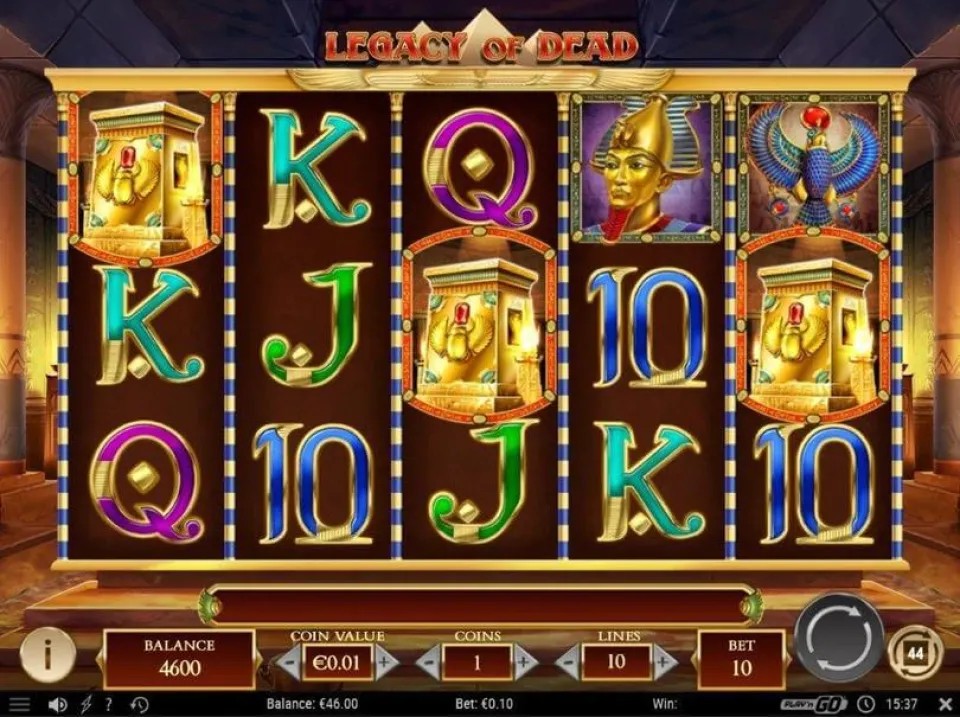
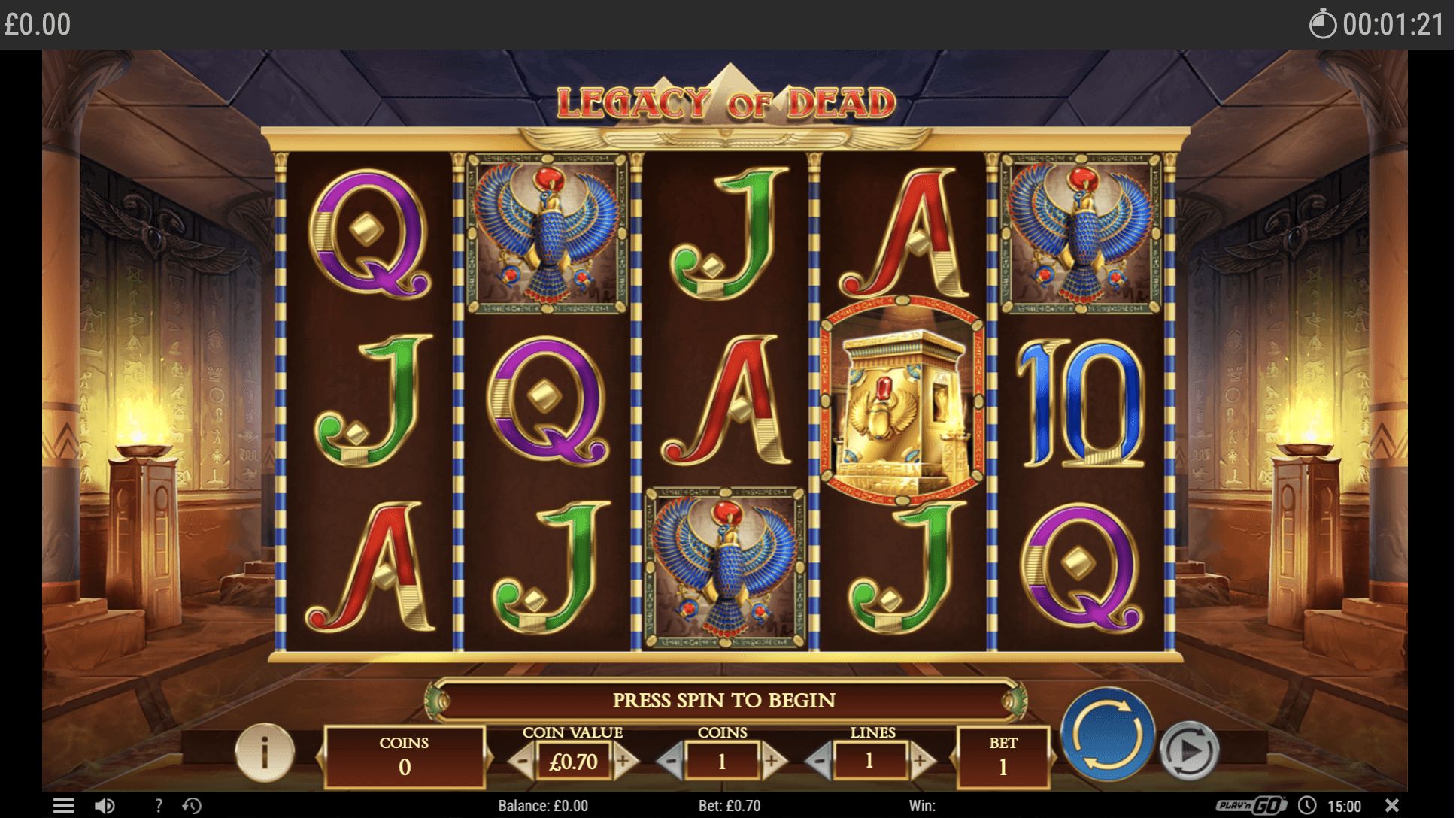
This slot thrives on clear symbols, an uncomplicated basic mechanic, and moments that can suddenly become more intense. Those who like it often play it in short blocks - not because the game is “only short,” but because the pace can be better controlled that way. This is particularly helpful if you want to quickly switch between everyday life and entertainment and avoid getting into a long, unplanned session.
Imagine you have 25 minutes, want to spin a few rounds, and then really stop. Typically: you start without a plan, get carried away by the rhythm, and keep postponing the stop. The better process is simple: set a timer, define a budget, choose your stake, start playing - and when the timer rings, make the decision outside of the game.
What you should take away from this review part: It's not about “cracking the system,” but about controlling your behavior. If you stick to a plan, the slot feels more predictable, even if the results fluctuate. And if you notice that you're playing irritated or want to “win back,” that's not a sign to “play more,” but to take a break.
Gaming Experience, Volatility, And Expectation
Many players confuse gaming experience with “chance.” However, gaming experience is often simply the combination of hit frequency, volatility, and your own stake choice. A slot can feel calm and still fluctuate - or feel hectic even if you're only playing small stakes. If you separate these, you can plan your session better.
Imagine you play for ten minutes and little happens. This quickly triggers the reflex: click faster, increase stake, change game. In reality, this is just an emotion, not a signal from the game. You can react to it by lowering the pace, ending the block earlier, or taking a break - not by “reloading.”
What You Check In 60 Seconds Before Starting
Before the first spin, open the game info and look for three things: how wins are counted, which symbols trigger features, and whether there are settings that change the pace (for example, autoplay options). You don't have to read everything, just enough so you don't build up false expectations and then impulsively counteract them.
Imagine you see several identical symbols and automatically expect a large payout. If the rules require a specific arrangement, “a lot on screen” does not equal “a lot of winnings.” A quick check prevents you from changing your stake out of frustration, just because you didn't know the logic.
How To Plan A Block That Truly Ends
Plan in blocks: A block is a fixed period of time or a fixed number of spins, with a stable stake. After the block, you must stop, get up briefly, and decide anew. This sounds trivial, but it's the best anti-autopilot method because you don't have to decide in the game, but before it.
Imagine you set yourself 20 minutes and play manually. After 20 minutes, the timer rings, you take three steps away from the screen and ask yourself: “Do I really want to continue, or do I just not want to stop?” If you just don't want to stop, that's the best moment to log out.
H4 Reduce Pace Instead Of Increasing Stake
If things are running smoothly, lower your pace - not your guard. Fewer spins per minute mean more conscious decisions. This is especially important if you notice yourself clicking mechanically or getting distracted. Stable stakes plus slower play is often significantly safer than any “tactic”.
Imagine you're playing on your phone during a break and notice you're speeding up because you want to see something “quickly”. That's exactly when a hard cut helps: turn off autoplay, a few manual spins, then pause. This reduces the likelihood of playing longer than planned without noticing.
H4 Stop Signals: Irritation, Haste, Chasing Losses
Stop signals appear early, but people often ignore them. Irritation, time pressure, the need to “get back to zero” – these are clear signs that you're no longer playing for entertainment. In such a moment, another spin as “proof” won't help; instead, a timeout or a complete stop is needed.
Imagine catching yourself thinking: “Just a little more, then it will turn around.” That's not strategy, that's hope. Take a break, close the game, and re-evaluate later when you are neutral again.
Account, Limits, and Responsible Tools
In 2026, responsible gaming tools are no longer “nice to have,” but standard if you want to play cleanly. Good platforms make limits, reality checks, and breaks easy to find. You shouldn't wait until you have problems to use these features, but rather treat them as a normal setup for every session in Austria (18+).
Imagine you've had a long day and want to unwind. That's precisely when the risk is highest that you'll unconsciously play longer or click faster. If you've set limits beforehand, the system takes over some of the control – and you don't have to be “strong” under stress.
Registration and Age Verification Without Stress
Complete account and age verification steps as much as possible before your first “real” session. This prevents you from being interrupted mid-flow and then continuing to play out of impatience. If you start cleanly, you can also stop cleanly later – without a missing step forcing you into extra time.
Imagine you want to cash out after a good round and suddenly realize something still needs confirmation. Many then continue to play “while they wait.” Better: Stop playing immediately, complete the step, log out. Cashing out is a process, not an invitation to keep playing.
Setting Deposit, Time, and Loss Limits
Set at least a time limit and a deposit limit before you even deposit any money. If you're unsure, start conservatively. You can adjust later, but you can't “undo” an impulsive evening. A loss limit can additionally help by stopping your session even when you become emotional.
Imagine you're slightly in the red and feel the impulse to “just quickly” add more. When the limit kicks in, you get precisely the break you would otherwise ignore. This might feel disruptive, but it's often the moment that saves your budget.
Using Timeout and Self-Exclusion Correctly
Timeout is for acute situations: you notice chasing behavior or irritability and need a clear cut. Self-exclusion is for recurring patterns: you play too often, too long, or under too much pressure. Both are tools, not punishment.
Imagine you've broken your own rules in several consecutive sessions. In that case, a longer stop is often a more honest step than saying “tomorrow I'll do better.” A real break gives you distance so you can play with a plan again later.

Deposit, Withdrawal, and Session Funding
Cash flow is the point where many sessions go awry: deposits are made out of emotion, withdrawals are postponed, and in the end, entertainment turns into a project. The solution is a routine that decides beforehand what will happen – regardless of whether you are currently euphoric or frustrated.
Imagine you're slightly up and feeling confident. That's exactly when many increase their pace and stakes because “it's going well anyway.” A better routine is: you stop briefly, secure a portion (if you want), and only continue playing if you set a new, short block limit.
Area | Practical Setting | Why It Helps in Everyday Life |
Session Length | Timer or spin limit per block | You stop before autopilot takes over |
Betting logic | Fixed bet per block | Fewer impulse changes, better control |
Deposit rule | One deposit per session | Prevents reloading out of frustration |
Withdrawal ritual | Quick check at the end of the session | You end cleanly instead of “just quickly” |
Support and Help | Clear questions about account, limits, payments | You solve problems without continuing to play |
The one-session deposit as a protective rule
One of the most effective rules is simple: only one deposit per session. When the budget is gone, the session is over. This rule eliminates the negotiation that would otherwise take place in the middle of an emotional phase.
Imagine you lost faster than expected and want to “just add a little bit”. If you have the one-session rule, there's no discussion. You stop, take a break, and plan a new session another day - with a fresh mind.
Withdrawal as a conclusion, not as an afterthought
Treat withdrawal as a closing ritual. This doesn't mean you always have to withdraw, but that you make a conscious decision: stop, check status, then log out. Especially after an intense phase, this helps to avoid getting into a long 'endless loop'.
Imagine you just had an exciting feature and want to click straight on because you're 'in the zone'. That's exactly when a closing ritual is worth gold. You stop briefly, take a breath, and decide with distance, not with adrenaline.
Complete verification beforehand, not in the flow
Verification is most stressful when it comes unexpectedly. If you complete it beforehand, your session remains free of interruptions that could irritate you. It's not about big promises, but about clean processes.
Imagine you have to upload or confirm something late at night. You're tired, impatient, and just want to continue playing “for a moment”. The better decision is to end the session and calmly take that step the next day.
Gaming practice: How to stay in control
Control sounds like deprivation to some, but in reality, it's comfort. You don't have to constantly wonder if you should stop - you've already decided when you'll stop. This makes the session easier, especially with slots that trigger emotional involvement.
Imagine you're playing, distracted, and after 15 minutes you realize you're not even consciously looking anymore. That's the perfect time to apply the routine: end the block, pause, decide anew.
Autoplay guardrails and manual spins
If you use autoplay, use it with guardrails: short series, clear stops, no use while multitasking. Manual spins are often the better choice if you catch yourself 'clicking through', because they give you natural breaks.
Imagine you're watching the news or sitting on a train. Autoplay is running, you don't notice how quickly the budget is shrinking. Switch to manual, set a mini-block of a few minutes, and then consciously end. This seems small, but it prevents the most common mobile trap.
Playing features without a hunting mindset
A common mistake is to tie the session to an event: “I'll stop when Feature X comes.” This postpones the stop until it's late. Better is: “I'll stop when the block ends.” Features are then a bonus, not a goal.
Imagine you're over the time limit and tell yourself you'll only stay until “something happens”. This is the moment when you often make the worst decisions. Stop anyway. If you want to play again, restart later - with a new block, new budget, new timer.
Recognize emotions and stop early
Emotions are normal. It becomes problematic when emotions control your money decisions. Irritability, pressure, the idea of “getting it back” - these are clear signs that you are no longer in a good mode.
Imagine you become short-tempered, click faster, and want to “turn it around”. Instead of continuing, take a timeout. If you still feel pressure after the break, logging out is a better decision than “one more try”.
Conclusion for 2026: Short, clear, repeatable
In 2026, responsible gaming works best through repeatable processes: quick info check, fixed blocks, stable bets, clear limits, clean ending. This way, the slot remains entertainment and does not become an emotional task.
Imagine you only play when you have time, not when you're stressed. You set limits before you deposit, and you end each block with a break. This sounds unspectacular - but that's precisely what makes it sustainable.
Summary for players in Austria
Legacy of Dead is a slot that many keep playing due to its atmosphere and clear mechanics. To keep it relaxed in 2026, you don't need a myth, but rather routine: read info briefly, keep bets stable, plan blocks, set limits, exit cleanly. In Austria, 18+ always applies, and conduct must remain within the applicable rules - without deluding oneself or sugarcoating risky decisions.
Mini-plan for the next start
Imagine you want to start right now, but cleanly: set a timer (20-30 minutes), set bets to a calm level, autoplay off or strictly limited, one deposit per session, and a break after each block. If you feel irritation, take a timeout. If the pattern repeats, take a longer break. This keeps the session short, clear, and controllable.
FAQ
How do I find the RTP value in the game?
Before the first spin, check the game info and look for the payout rate or the Return-to-Player hint. Imagine you start without checking and get annoyed by “weird” phases - a quick look makes expectations more realistic and prevents impulsive decisions.
How do I set a budget wisely?
Decide in advance how much you want to spend on entertainment and divide it into two or three blocks. Imagine you are tempted to reload after a dry spell - if you think of the budget in blocks, you end the block and decide anew, instead of reacting during the game.
When is a timeout the best solution?
Always when you notice yourself clicking faster, getting irritable, or thinking about getting it back. Imagine you just want to spin “just quickly” - a timeout breaks the tunnel before you play yourself into a long session.
How do I avoid impulsive bet increases?
Keep your stakes stable within a block and only change them between blocks, after a break. Imagine you want to increase stakes after losses – it's better to slow down, end the block earlier, and restart later when you are neutral again.
What is a good rule for deposits?
One deposit per session is a simple protective rule that prevents many bad decisions. Imagine you want to immediately follow up because you're annoyed – if the rule is in place, you automatically stop and give yourself the break you need.
How do I end a good session without giving everything back?
End the block, take a break, and decide outside of the game whether to continue. Imagine you feel particularly confident after a highlight – that's exactly when a closing ritual helps prevent you from unconsciously increasing your pace and stakes.
When should I take a longer break?
If you repeatedly play longer than planned, make multiple money decisions per evening, or feel worse after sessions. Imagine you often tell yourself “tomorrow will be different” and it doesn't work out – then a longer break or self-exclusion is often the clearer step to regain control.